
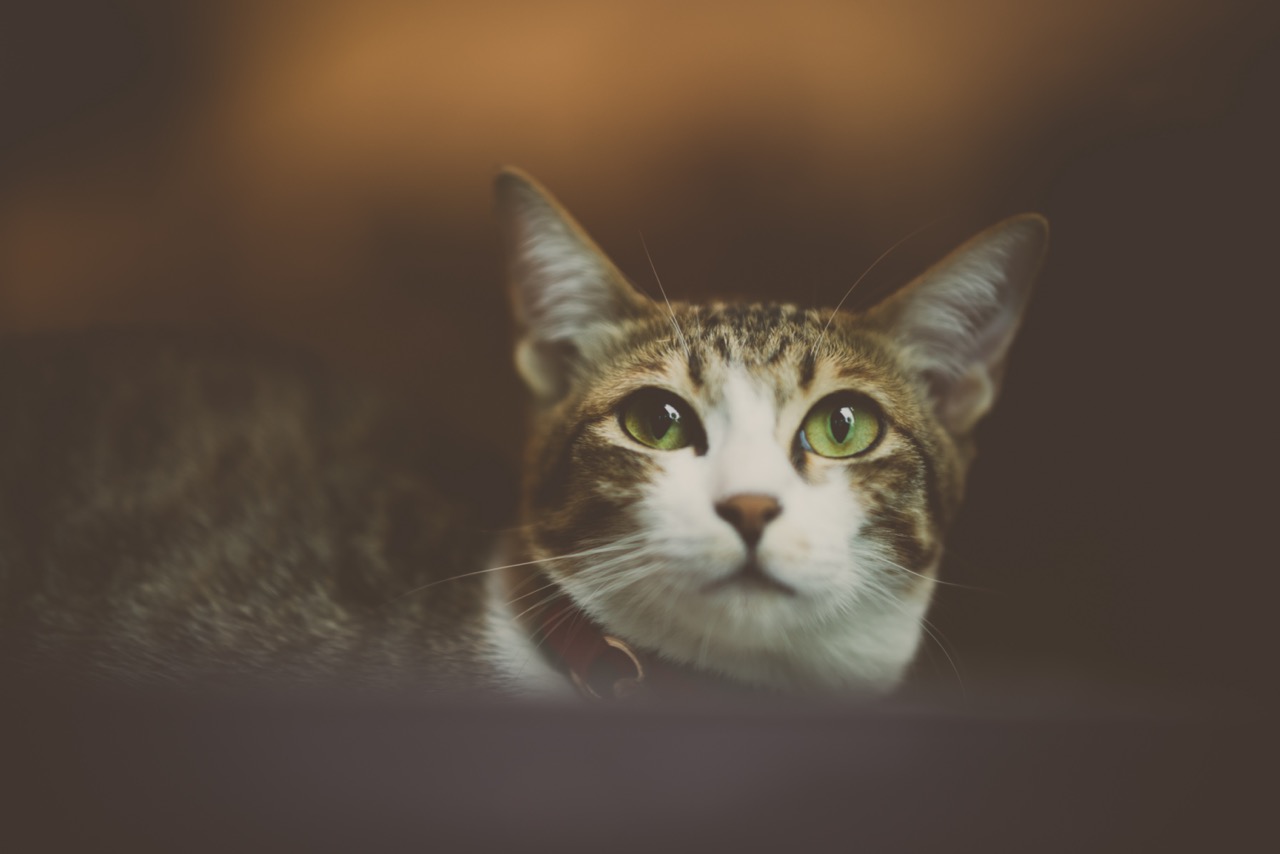
Cat Hiding: Mood or Stress?
Discover the real reasons behind your cat's hiding
Your cat crawled under the bed and won't come out. "Is it just a mood or are they really feeling bad?" Hiding doesn't always mean the same thing—sometimes it just means "I want some alone time," and sometimes it's a serious stress signal.
"Mood" (normal hiding): "Just chilling on my own"
If they hide and come out after a few hours, eat, use the litter box: Normal.
- •If they hide when guests arrive and return to normal after they leave: Personality trait.
- •If they hide intermittently during the day: Rest and "recharging" time.
Stress hiding: "Something is wrong"
If they don't come out for more than 24 hours: Pay attention.
- •If they're not eating, drinking, or using the litter box: A serious signal.
- •If a normally social cat suddenly starts hiding: Could be a health or environmental issue.
Triggers
New guest, moving, new animal, new scent, noise.
- •After a vet visit: Stress can last for days.
- •Home renovation: Sound and scent changes greatly affect cats.
What should you do?
Don't force them out of their hiding spot: This breaks trust.
- •Create a safe exit area: Quiet room, food-water-litter nearby.
- •Wait for them to come out at their own pace: Patience is the most important tool.
When to see a vet
If hiding + loss of appetite + litter box changes come together.
- •If breathing is different or there's noticeable lethargy.
- •If they haven't come out at all for more than 48 hours.
Conclusion
A cat's hiding behavior ranges from normal personality to serious stress signals. By reading the context and duration, you can determine whether your cat needs space or professional help.
Discover your cat's signals with 10 questions
FREQUENTLY ASKED QUESTIONS
Want to understand your bond with your cat better?
Take the Free AnalysisRELATED ARTICLES
Does My Cat Love Me?
Cats show love differently than humans. They don't react as enthusiastically as dogs, so understandi...
Read
Does My Cat Trust Me?
Your cat's trust isn't measured by a single behavior like 'sitting in your lap.' Trust is the sum of...
Read
Why Does My Cat Sleep Next to Me?
Your cat choosing to sleep next to you is a deep sign of attachment and trust. Cats are at their mos...
Read