
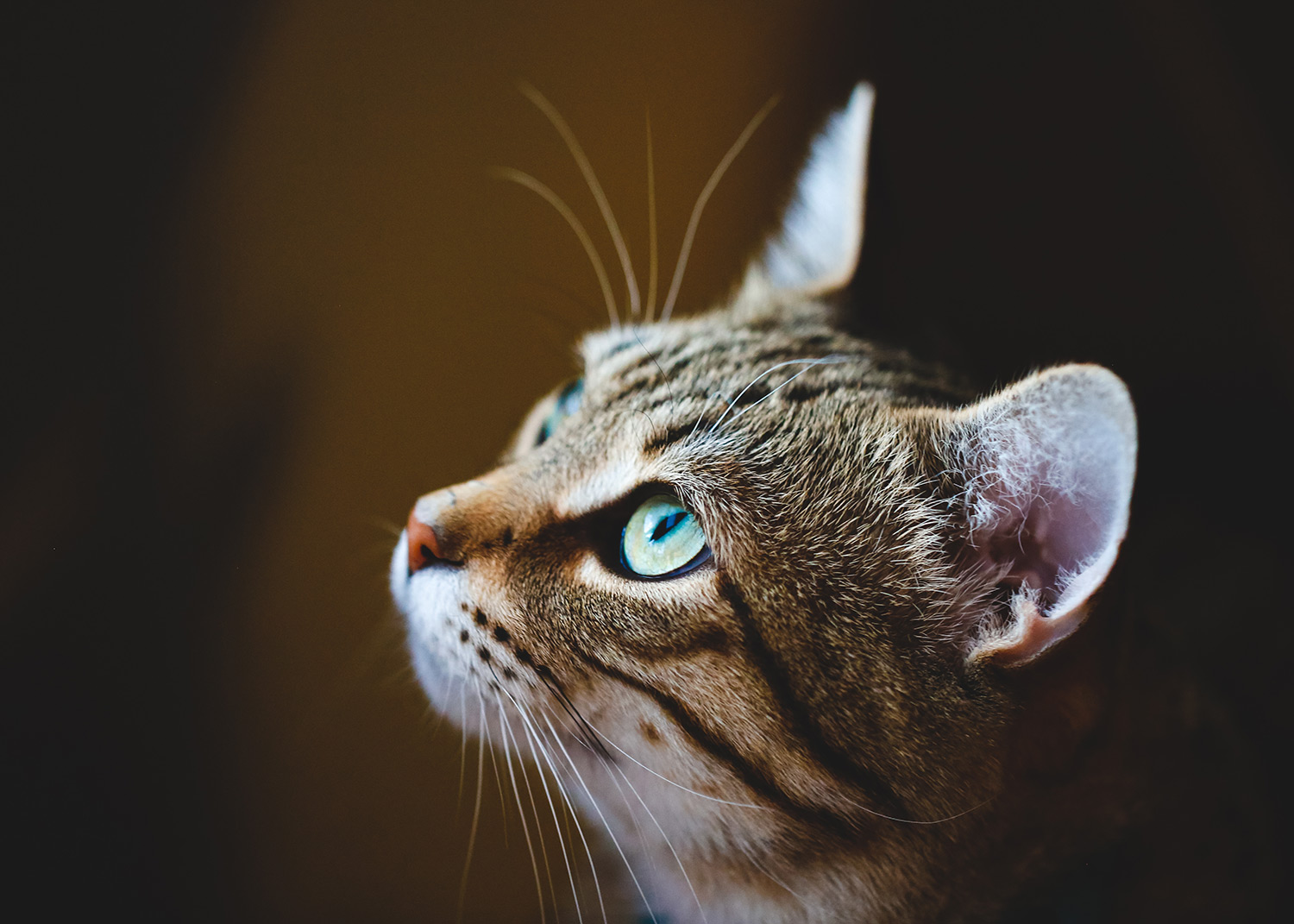
Does My Cat Trust Me?
Read trust signals: body language, routine, play. Science-based tips to strengthen the bond.
Your cat's trust isn't measured by a single behavior like "sitting in your lap." Trust is the sum of small but consistent signals. Some cats express love from a distance, others are clingy. The real question is: When your cat is near you, are they "relaxed" or "alert"?
Clearest signs of trust
- •Comes to you voluntarily: Approaching without being called means "I feel safe here."
- •Chooses to hang out in the same room: Lap isn't required; staying nearby is bonding.
- •Turns their back to you: Exposing their vulnerable side means "you're not a threat."
- •Slow blinks: Cat language for "I'm calm"; you can slow blink back.
- •Rubbing/head bunting: "Let our scents mix" — builds social bonds.
- •Grooms themselves near you: "I'm safe here, I can do maintenance."
Touch and boundaries: Trust shows here
- •Allows head/chin petting: "Safe touch" zone for most cats.
- •Stays longer during petting: If duration increases, trust is growing.
- •Kneading: Relaxation reflex; shows they're unwinding near you.
- •Lies next to you with relaxed paws: Not alert; sees the environment as safe.
- •Shows belly near you: Not always "pet me," but can be a comfort sign.
Note: "Trust" doesn't always mean "lots of touch." Some cats trust but want less contact. That's normal too.
Things that seem like "no trust" but may be normal
- •Hiding: Guests, new smells, sudden sounds, moving can cause retreat.
- •Never coming to lap: Could be personality; doesn't measure trust alone.
- •Suddenly leaving during petting: May mean "too much stimulation."
- •Distant during day, social at night: May feel more comfortable in quiet.
- •Only approaching certain people: Cat sometimes chooses "energy/rhythm" match.
Common mistakes that reduce trust
- •Walking toward them, approaching from above: Cat may see this as pressure; approach from the side slowly.
- •Picking up without permission: "I didn't choose this" feeling sets trust back.
- •Chasing/insistent petting: If chasing increases as cat runs, avoidance is learned.
- •Punishment (yelling, water spraying): Only grows fear, not the relationship.
- •Lack of routine: As food-play-sleep schedule breaks down, cat seeks control.
Small but effective steps to build trust
- •"Trust first, closeness later" rule: Let them choose to approach; just create space.
- •10 minutes of interactive play daily: Hunt-play strengthens bonds and reduces daily stress.
- •Slow blink routine: Several times a day; sends "I'm calm" message.
- •Keep touch short, end on a good note: Stopping while cat "wants more" increases trust.
- •Create safe zones: High shelf, quiet corner, enclosed bed; cats with escape routes are braver.
Mini checklist (30 seconds)
- •Lies comfortably near you?
- •Comes to you voluntarily?
- •Chooses to stay in the same room?
- •Slow blinks?
- •Rubs/bunts?
- •Allows touch on head-chin areas?
- •Petting duration increased over time?
If at least 3-4 of these are frequent, trust is likely in a good place.
Discover your cat's signals with 10 questions
FREQUENTLY ASKED QUESTIONS
Want to understand your bond with your cat better?
Take the Free AnalysisRELATED ARTICLES
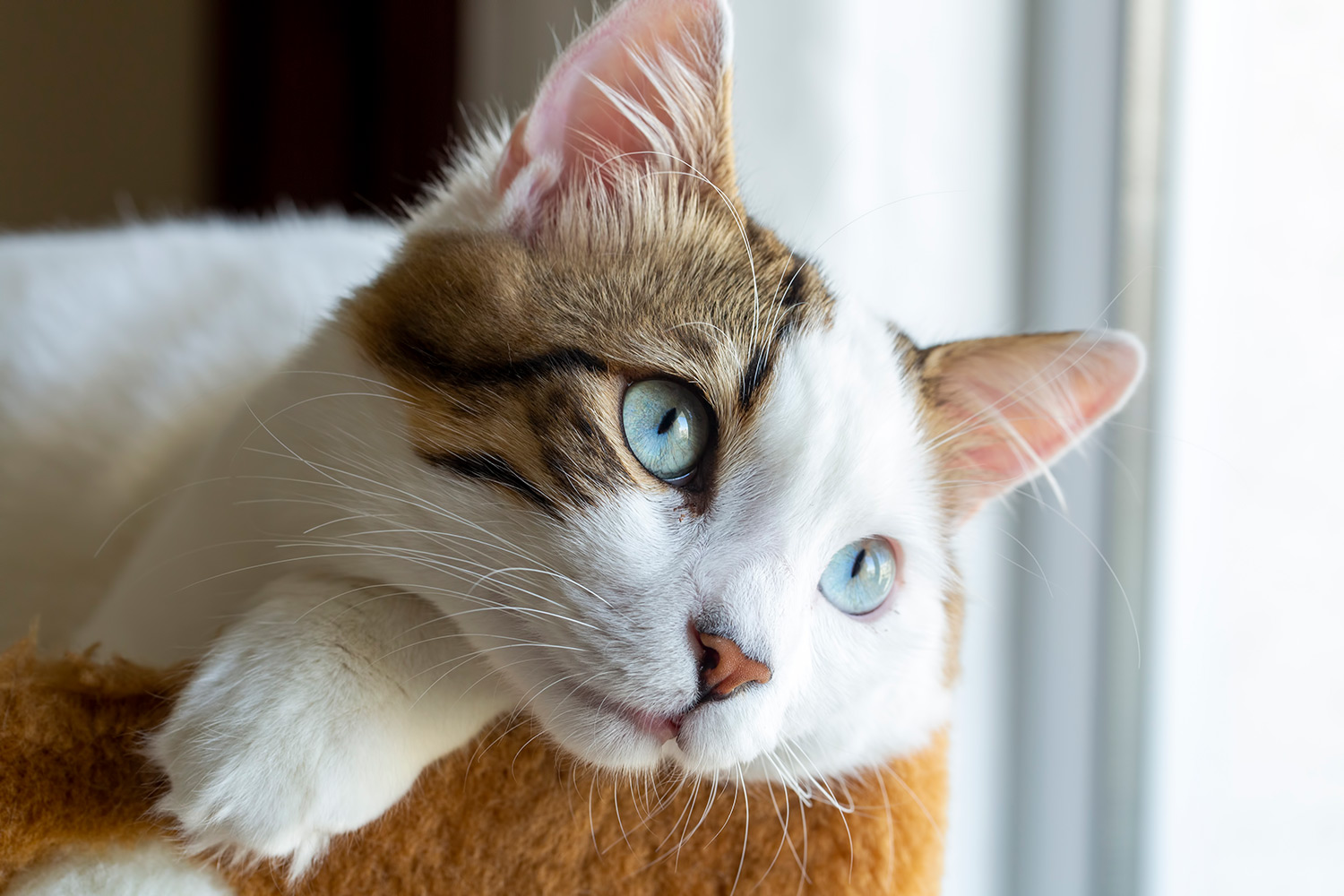
Does My Cat Love Me?
Cats show love differently than humans. They don't react as enthusiastically as dogs, so understandi...
Read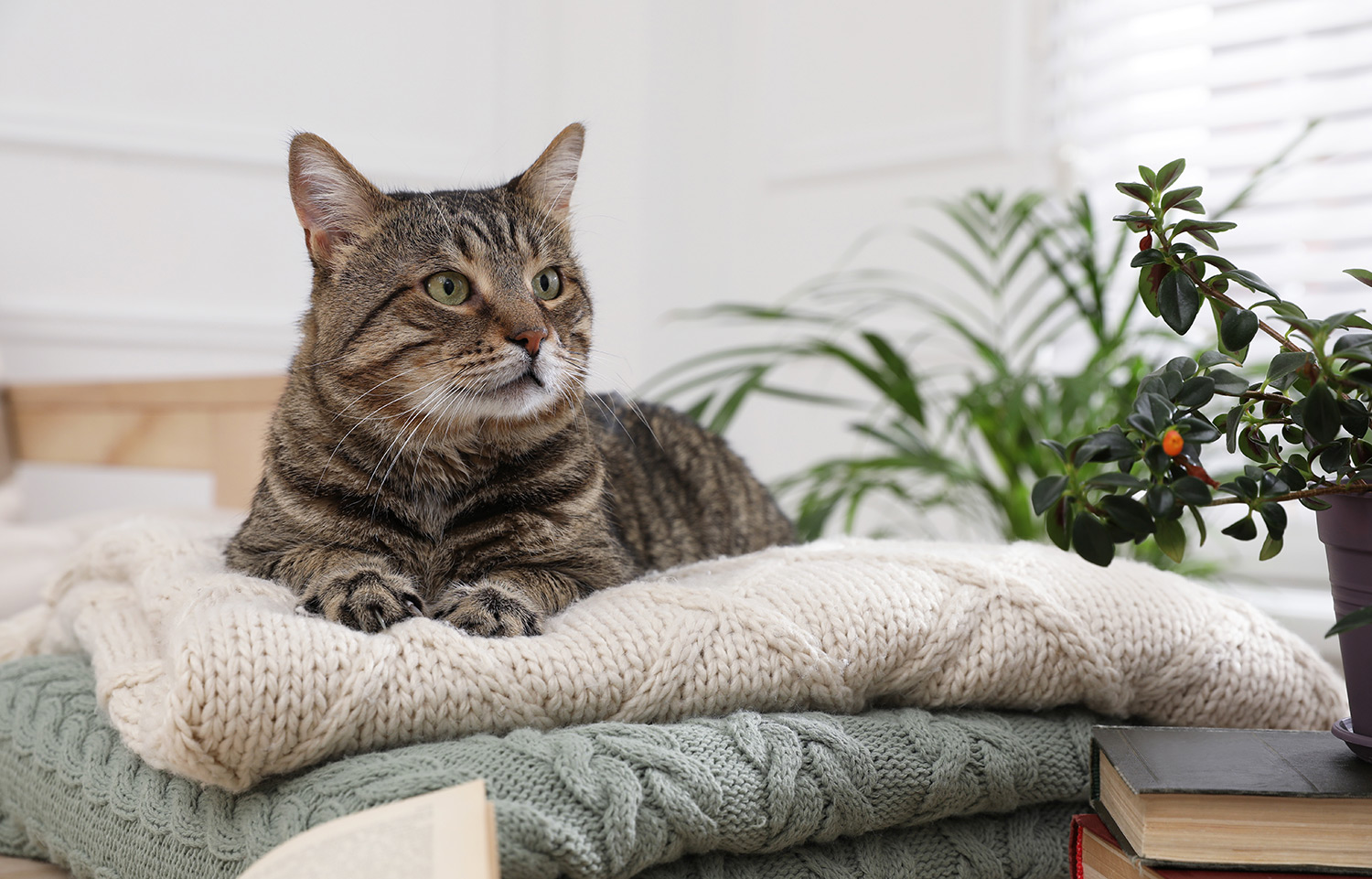
Why Does My Cat Sleep Next to Me?
Your cat choosing to sleep next to you is a deep sign of attachment and trust. Cats are at their mos...
Read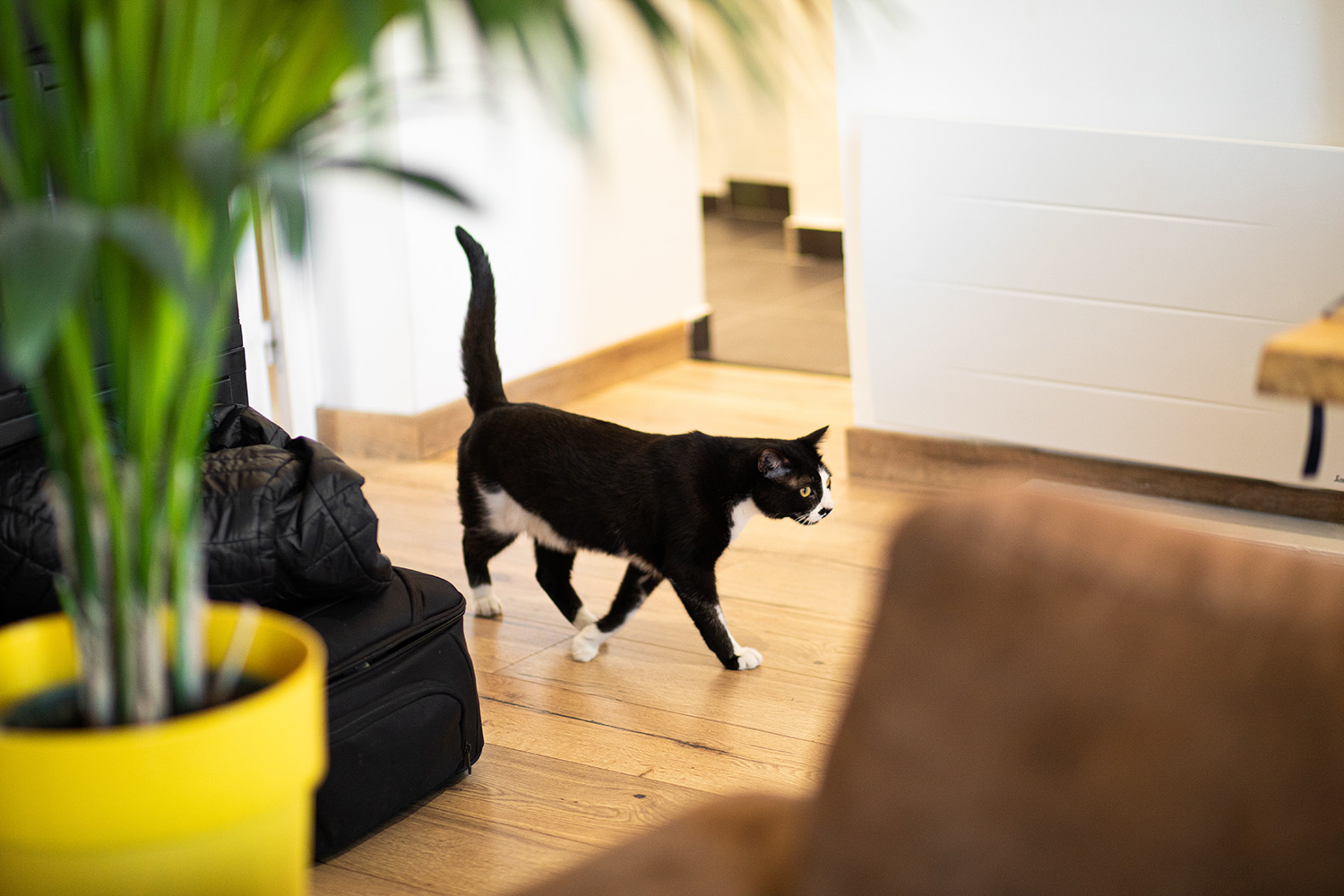
Why Does My Cat Follow Me Everywhere?
If your cat follows you step by step around the house, this is usually not 'obsession' but a form of...
Read