
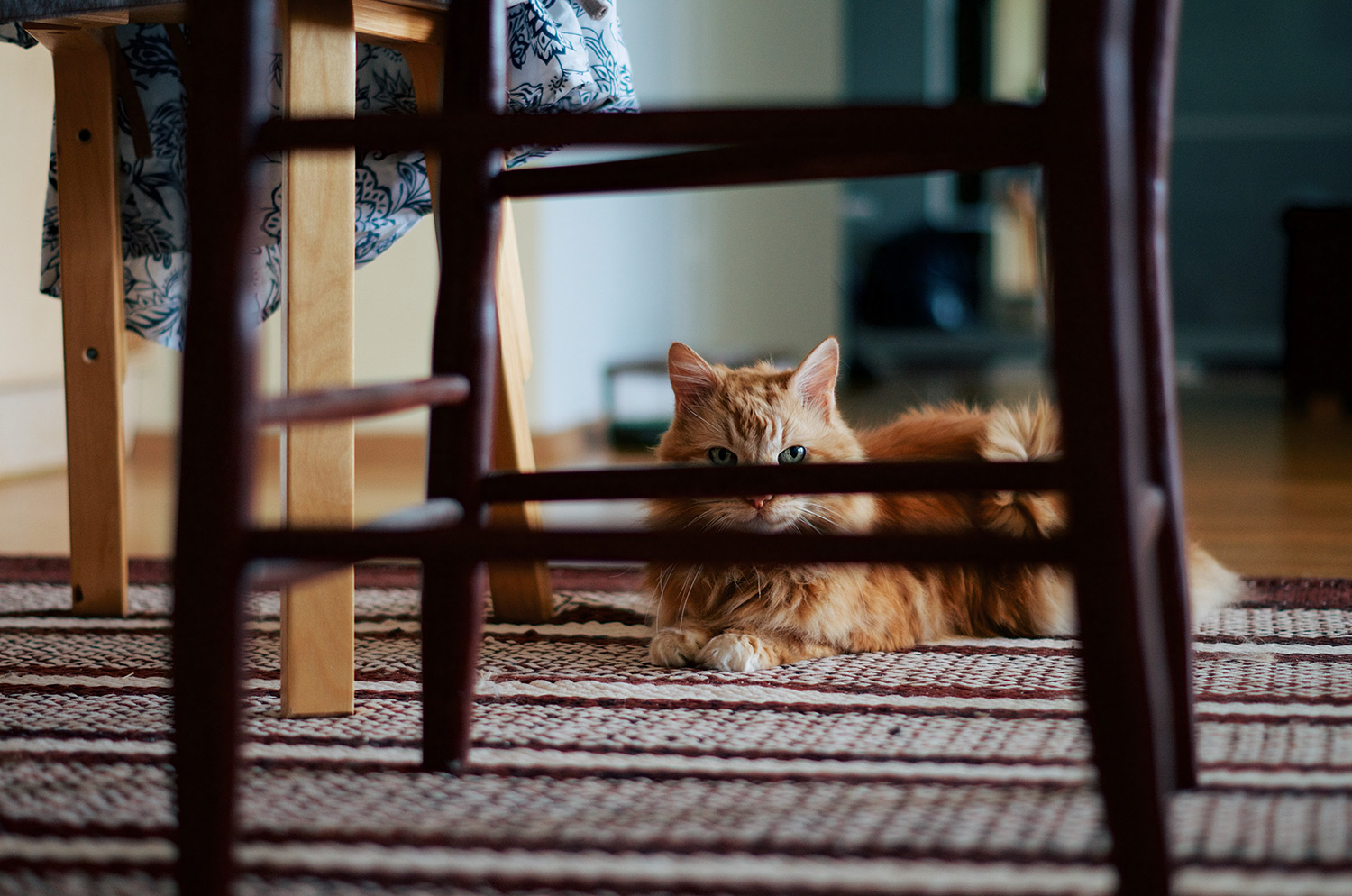
Why Does My Cat Hide?
Understand hiding: safe space, stress, change. When is it normal, when is it alarm?
Cat hiding in cat language usually means "I'm keeping myself safe." This is sometimes perfectly normal, sometimes a signal related to stress, fear, or health. What matters is when the hiding started, how long it lasts, and how the cat behaves when they come out. When a cat hides, they're usually saying: "I see risk right now or I need rest. I need distance."
Fear and threat perception: "Being invisible is safer"
Loud sounds, sudden movements, unfamiliar people/pets trigger hiding.
- •Very common to increase during doorbell, vacuum, construction sounds.
- •If body is tense, eyes wide, ears back while hiding: Fear probability is high.
Environmental change and new smells: "I need to re-check everything"
Moving, furniture change, new guests, new perfume/smell can increase hiding.
- •Cats build "home" with scent: When scent changes, they retreat and observe for a while.
- •If a new cat/pet came home: Hiding could be an "adaptation strategy."
Socialization level and character: "I'm comfortable this way"
Some cats are naturally shy and observational.
- •If they hide when guests come but return to normal at night: This could be "normal boundary."
- •If they calmly come out after hiding to eat, use bathroom, walk around: Concern is generally low.
Stress and overstimulation: "I'm shutting down to collect myself"
If house is crowded, children chased, play went too long — hiding can come.
- •Hiding is the cat's method of "cutting the stimulus."
- •If hiding frequently on the same day: Stress load may have increased.
Health or pain: "I'm unwell, I don't want to be seen"
Cats tend to hide illness symptoms: This is why hiding can be an important signal.
- •If hiding accompanied by appetite loss, not drinking, not using bathroom, lethargy: Attention.
- •If a normally social cat suddenly starts hiding: Pain/discomfort probability increases.
How should you respond?
Don't force entry into hiding spot: This breaks trust and increases hiding.
- •Create safe exit zone: Quiet room, food-water, bathroom, and hiding box.
- •Give "I'm in control" feeling: Let them choose their own exit.
- •Gentle communication: Low voice, slow movement, slow blink.
- •When they come out, don't pounce: Even love can be pressure. Short and calm touch is enough.
When to "worry"?
If hiding lasts more than 24 hours and cat isn't eating/drinking.
- •If not going to bathroom at all or straining.
- •If breathing is different, noticeable lethargy.
- •If suddenly started and clearly increased, especially if cat is normally social.
- •In this case, vet check is good idea.
Discover your cat's signals with 10 questions
FREQUENTLY ASKED QUESTIONS
Want to understand your bond with your cat better?
Take the Free AnalysisRELATED ARTICLES
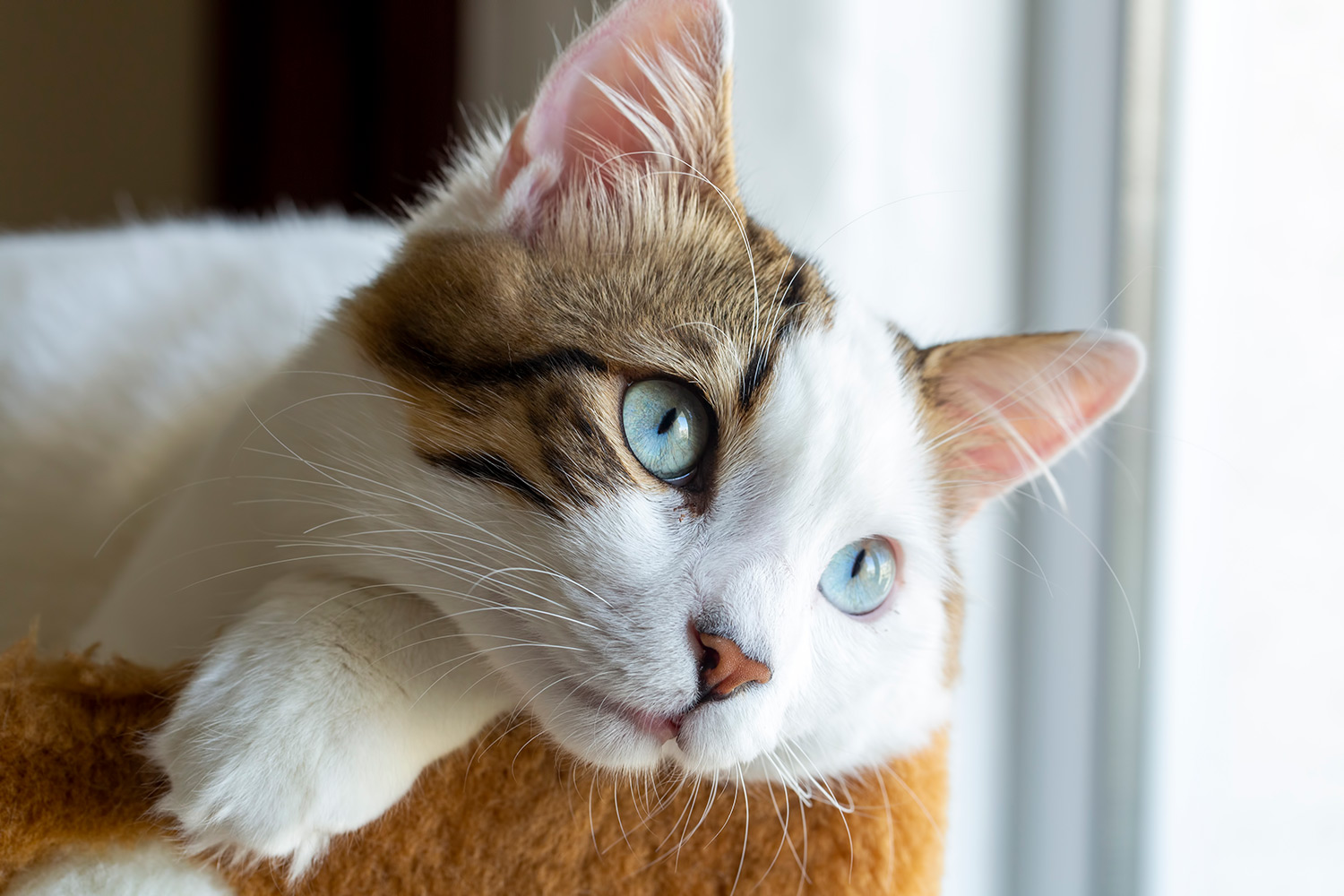
Does My Cat Love Me?
Cats show love differently than humans. They don't react as enthusiastically as dogs, so understandi...
Read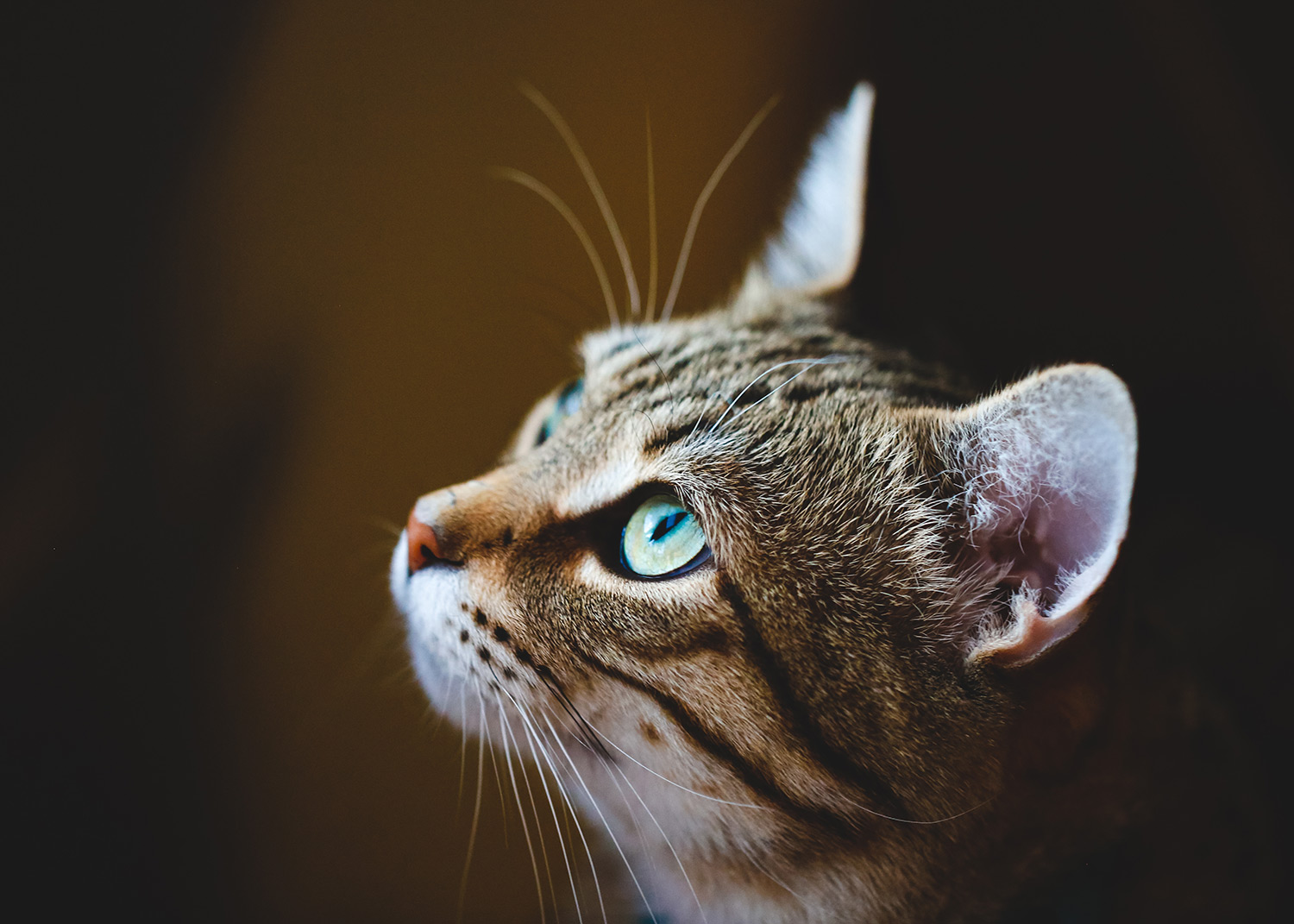
Does My Cat Trust Me?
Your cat's trust isn't measured by a single behavior like 'sitting in your lap.' Trust is the sum of...
Read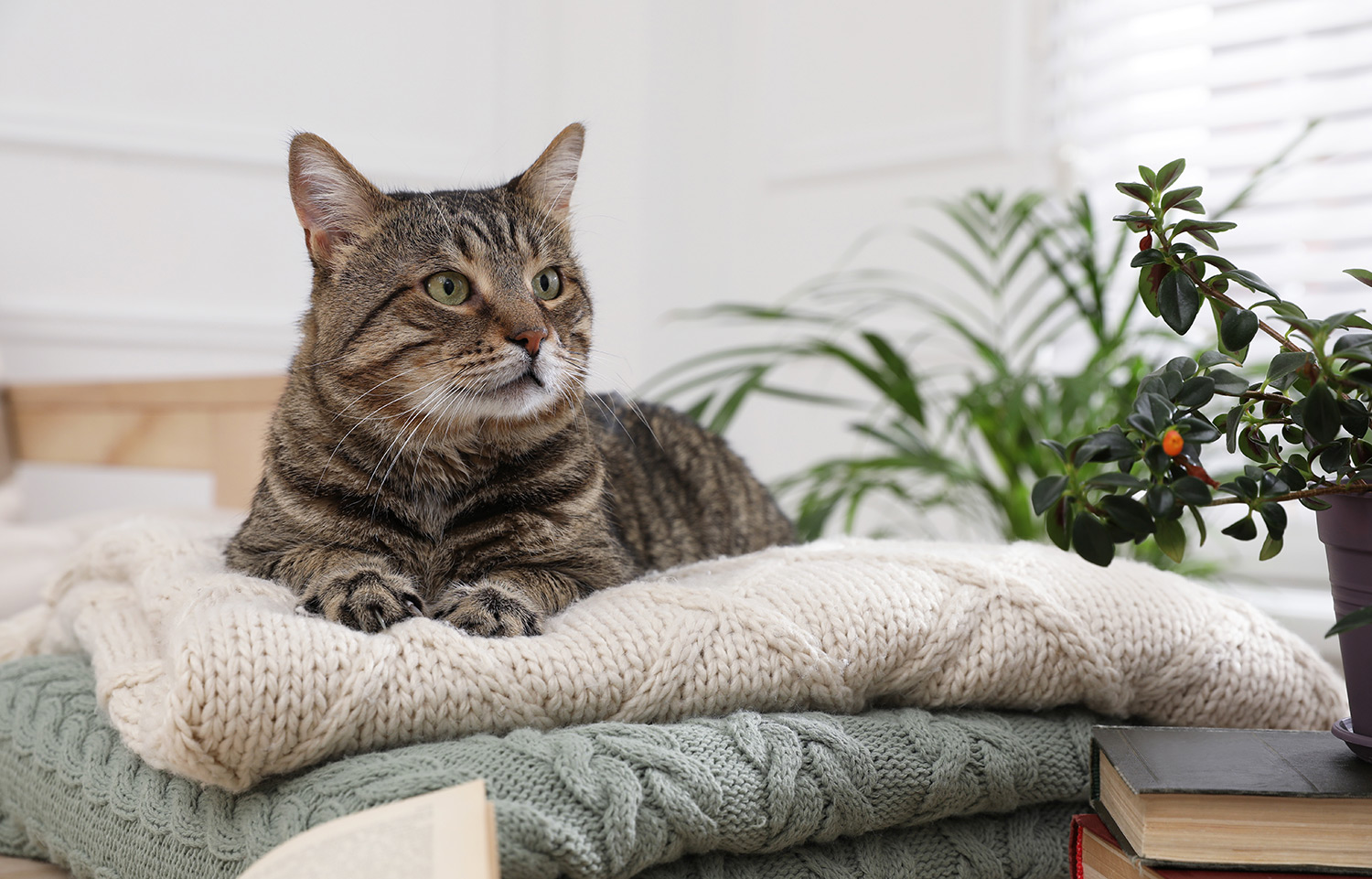
Why Does My Cat Sleep Next to Me?
Your cat choosing to sleep next to you is a deep sign of attachment and trust. Cats are at their mos...
Read