
Why Does My Cat Scratch?
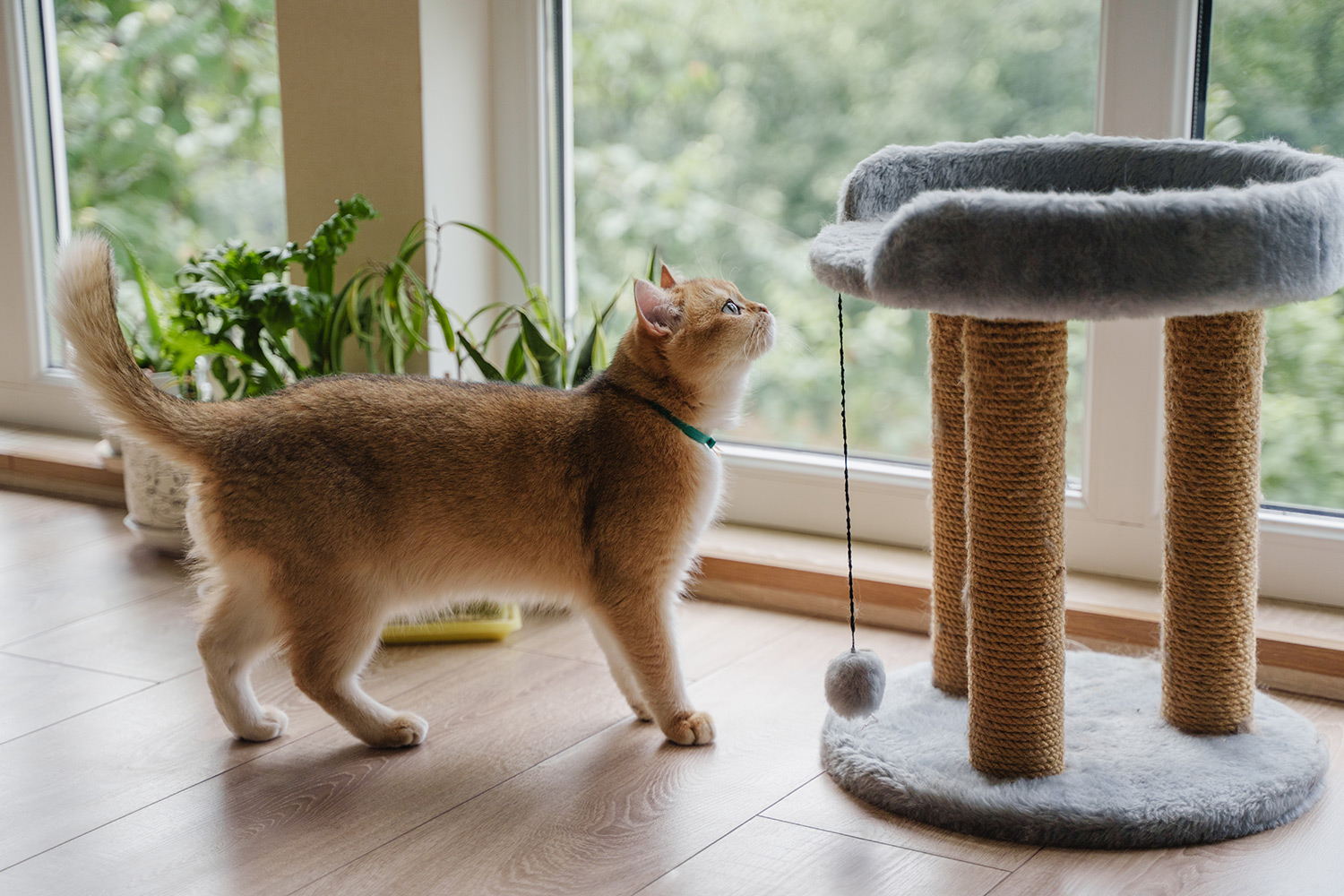
Redirect scratching needs: proper post, location, and reward system.
Cat scratching is not "naughtiness" in cat language—it's a natural and necessary behavior. Scratching maintains nails, leaves scent, and stretches the body. It also serves stress relief and routine marking functions. When a cat scratches something, they're usually saying: "This area is important to me. I do this to feel good and maintain myself."
Nail care: "I'm renewing my nails"
Cats' nails renew in layers: Scratching helps shed the old layer.
- •Finding nail sheaths on the floor after scratching is normal.
- •Regular scratching is part of healthy nail maintenance.
Scent and territory marking: "This is ours"
Paw pads have scent glands: Scratching leaves not just marks but scent too.
- •"Transition points" like doorways, living room entrance are frequently scratched.
- •Scratching may increase with new furniture/guests: Re-marking.
Stretching and body relief: "I'm opening up my body"
Shoulders, back, and legs actively work during scratching: It's like a stretching routine.
- •Scratching after waking: Could be a "warming up" behavior.
- •Scratching + stretching together: Comfort and body care predominate.
Energy release and play: "My hunting mode is on"
Scratching after running and jumping: Could be energy release.
- •Increases especially in evening hours: Aligned with natural activity peak.
- •"Zoomies" after scratching: Could be part of the play chain.
Stress and emotion regulation: "I'm releasing tension"
Noise, guests, moving, routine disruption can increase scratching.
- •Some cats scratch the nearest surface during "tension moments."
- •Repetitive and rushed scratching + restlessness: Could be a stress sign.
Why the couch, carpet, door?
Vertical surfaces (couch side, door frame): Ideal for shoulder stretching.
- •Horizontal surfaces (carpet): Some cats prefer horizontal scratching.
- •Places you use often: Scent mixing strengthens the "us" zone.
How should you redirect?
"Alternative" instead of "forbidden": Cat must scratch. Teaching the right place is the goal.
- •Place scratching posts strategically: Near transition points, sleep areas, frequently scratched spots.
- •Choose the right surface: Offer vertical + horizontal options. Hard sisal, cardboard, carpet textures work.
- •Catch and reinforce: Calm praise + short play when they go to the scratching post works well.
When to think "different"?
If there's paw sensitivity or limping along with scratching: Pain possibility.
- •If cat stopped scratching: Either nail/joint pain or environment change.
- •Obsessive scratching + excessive licking + restlessness: Stress may have increased.
Discover your cat's signals with 10 questions
FREQUENTLY ASKED QUESTIONS
Want to understand your bond with your cat better?
Take the Free AnalysisRELATED ARTICLES
Does My Cat Love Me?
Cats show love differently than humans. They don't react as enthusiastically as dogs, so understandi...
Read
Does My Cat Trust Me?
Your cat's trust isn't measured by a single behavior like 'sitting in your lap.' Trust is the sum of...
Read
Why Does My Cat Sleep Next to Me?
Your cat choosing to sleep next to you is a deep sign of attachment and trust. Cats are at their mos...
Read