
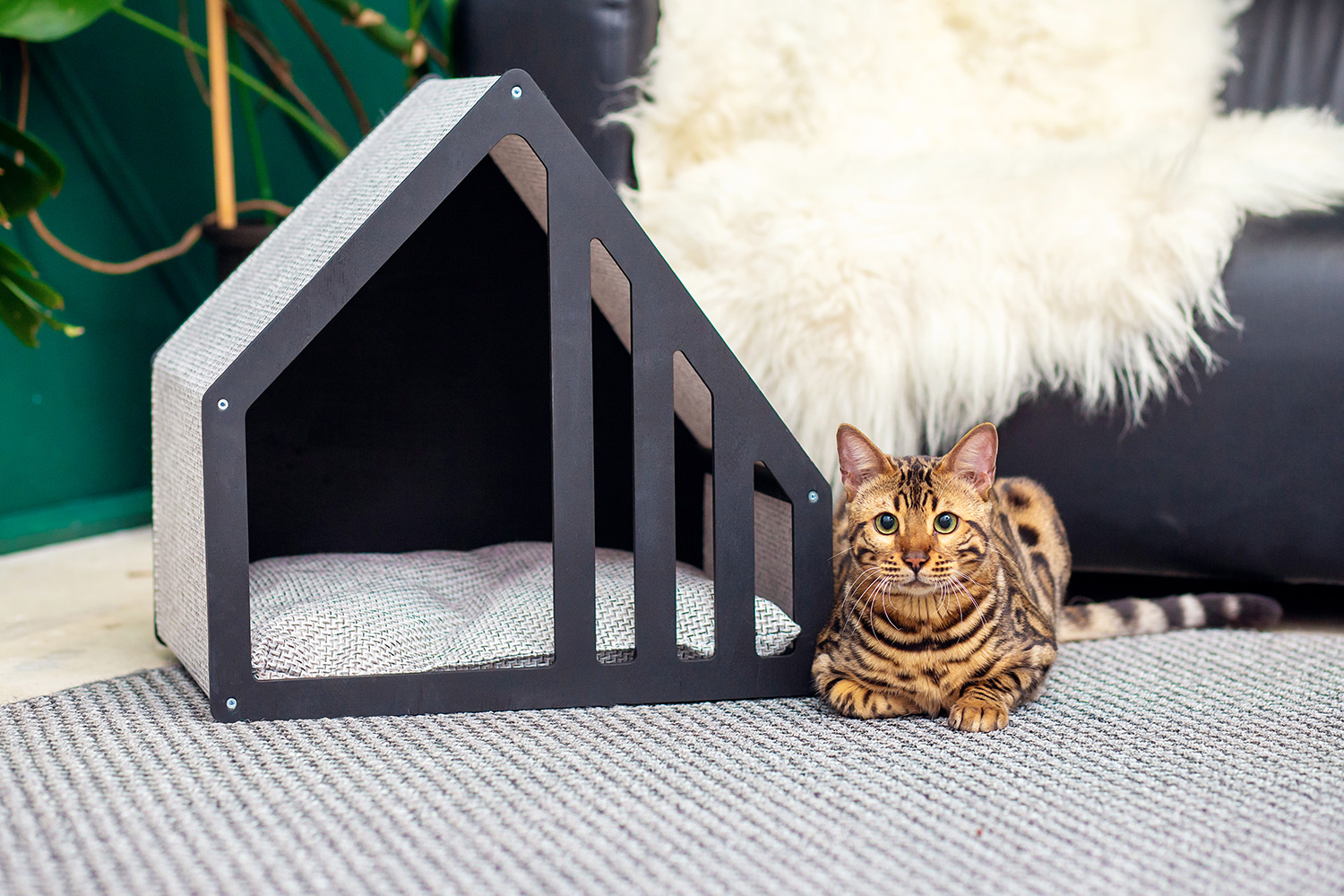
Why Is My Cat a Picky Eater?
The science behind your cat's food preferences
Your cat sniffs the food bowl, gives you a look, and walks away. Sound familiar? Cat food selectivity is actually rooted in instinct, texture preferences, and routine habits.
Instinctive caution: "Is this safe?"
In the wild, cats are cautious about new foods—it's a survival mechanism.
- •"Neophobia" (fear of the new) is natural in cats: New food = potential risk.
- •Gradual transitions over 7-10 days work best.
Texture and temperature matter
Cats are extremely sensitive to texture, temperature, and smell.
- •Some cats only eat pate, others only shredded: Texture preference is personal.
- •Cold food from the fridge is often rejected: Room temperature or slightly warmed is preferred.
- •The aroma matters more than the taste: Warm food releases more aroma.
Routine and habit
Cats are creatures of routine.
- •If you always feed the same food, changing is hard: Comfort zone effect.
- •If treats and human food are abundant: Regular cat food becomes "boring."
- •Fixed meal times help: Rather than free-feeding all day.
Environmental factors
Stress, bowl type, and location affect appetite.
- •Plastic bowls can cause "whisker fatigue": Wide, shallow bowls are better.
- •Bowl near the litter box: Can suppress appetite.
- •New environment, new pets, or changes: Can cause temporary food refusal.
Health check
Persistent refusal is sometimes medical.
- •Dental pain makes eating uncomfortable: Regular dental checks help.
- •If refusal lasts more than 24-48 hours, see a vet.
Conclusion
Cat food pickiness is usually manageable with patience, gradual changes, and attention to texture and temperature preferences.
Discover your cat's signals with 10 questions
FREQUENTLY ASKED QUESTIONS
Want to understand your bond with your cat better?
Take the Free AnalysisRELATED ARTICLES
Does My Cat Love Me?
Cats show love differently than humans. They don't react as enthusiastically as dogs, so understandi...
Read
Does My Cat Trust Me?
Your cat's trust isn't measured by a single behavior like 'sitting in your lap.' Trust is the sum of...
Read
Why Does My Cat Sleep Next to Me?
Your cat choosing to sleep next to you is a deep sign of attachment and trust. Cats are at their mos...
Read